Rolltop, Zipper or Flap: How a Pack Opens Decides How It Works
The conclusion first
- The closure is the one design decision that changes a backpack every single day, twice.
- Fabric determines how a pack ages, harness determines how it carries, but the opening determines how it behaves: how fast you get in and what rain does while you are getting in.
- Overloading is the closure's third exam.
Drawn from the opening of this entry.
The closure is the one design decision that changes a backpack every single day, twice. Fabric determines how a pack ages, harness determines how it carries, but the opening determines how it behaves: how fast you get in and what rain does while you are getting in. Overloading is the closure’s third exam. Closure choice is also where marketing language runs thickest, so it pays to separate mechanics from adjectives.
What the closure promises
Every closure trades weather protection against access speed. Nothing wins both. A fully waterproof opening that takes twenty seconds to work and a zip that opens the whole bag in three seconds are both honest designs. The mistake is buying one while expecting the other, which is what most closure complaints reduce to. Security sits in the same trade: a clipped rolltop needs two hands and time to open, a zipper needs one pull, a magnet yields to a tug. None of them stops a blade, and none should be bought as if it does.
Rolltop: weather first, speed second
A rolltop closes by folding the top edge over itself and clipping the ends together. Three full rolls and a taut clip seal out driving rain, and on packs with welded seams the construction is genuinely waterproof, which is why bike couriers and paddle guides use rolltops almost exclusively. The costs are real, though. Access is slow: unclipping, unrolling, reaching, then reversing the process, twenty seconds each way. Deep, narrow throats mean items at the bottom require unloading the top. Overpacking is tempting, because the bag swallows whatever you give it until the roll has nothing left to roll. A rolltop rewards packing discipline more than any other design.
How a rolltop actually seals
The seal is friction and path length, not a gasket. Each fold of the top tube adds another layer of coated fabric between the weather and the throat, so water has to climb the roll instead of falling straight in. Clip tension keeps the tube from unwinding under load, which is why a half-hearted roll fails before a full one does: the moment the roll loosens, the path shortens and gravity gets its way. Three full rolls and a taut clip leave no slack for either.
The closure also self-adjusts to the load in a way no zipper can. A half-empty pack rolls down to a compact, taut top with nothing slopping around inside; a bulging one rides a taller tube and stays closed. That variable volume is the real answer to the complaint that rolltops waste space — they are the only common closure that does not fix the bag’s capacity on the day it was sewn. The seam remains the weak point. Fabric alone never leaks; stitch holes do, so a rolltop on sewn seams is water-resistant while a rolltop on welded or taped seams earns the word waterproof.
The U-shaped zipper: speed at a price
The suitcase-style zipper that opens the back panel flat is the commuter standard, and for good reason: the whole interior is visible at once, laptops and files come out without excavation, security trays take ten seconds. The compromises sit in the zipper and the seam around it. Water resistance depends on the tape and coating over the teeth, never on the coil, so a U-shaped opening is shower-resistant at best. Under sustained overload the zipper is the failure point, so the gauge matters: #8 and #10 coil zippers are load-rated for daily commuting, while the #5 zippers trimmed onto slim fashion packs fail at the first overstuffed week. The same reading applies to any zipper on the bag. The teeth announce their grade first; the tape and slider finish the story, as covered in what the zipper tells you.
Reading zipper gauges
The numbers on zipper specs are sizes, not grades: the gauge tracks the chain width in millimetres, so a #10 chain is twice the width of a #5. Width buys strength and, more usefully, forgiveness. A wide coil flexes when a panel is yanked shut over an overstuffed load and pops back into its track; a narrow one tears the tape or splits the coil, and a split coil takes the main opening out of service until the slider is replaced. Coil is the right chain for a main opening — it runs around curves without binding and tolerates grit better than metal teeth. What the gauge says nothing about is water. Coils expose the teeth to rain, and resistance comes only from the tape laminated over them or from a fabric flap riding above the seam. A listing that brags about waterproof zipper brands is selling the name, not the seal; the tape and the seam behind the teeth decide what reaches your laptop.
Flaps and magnets: the middle ground
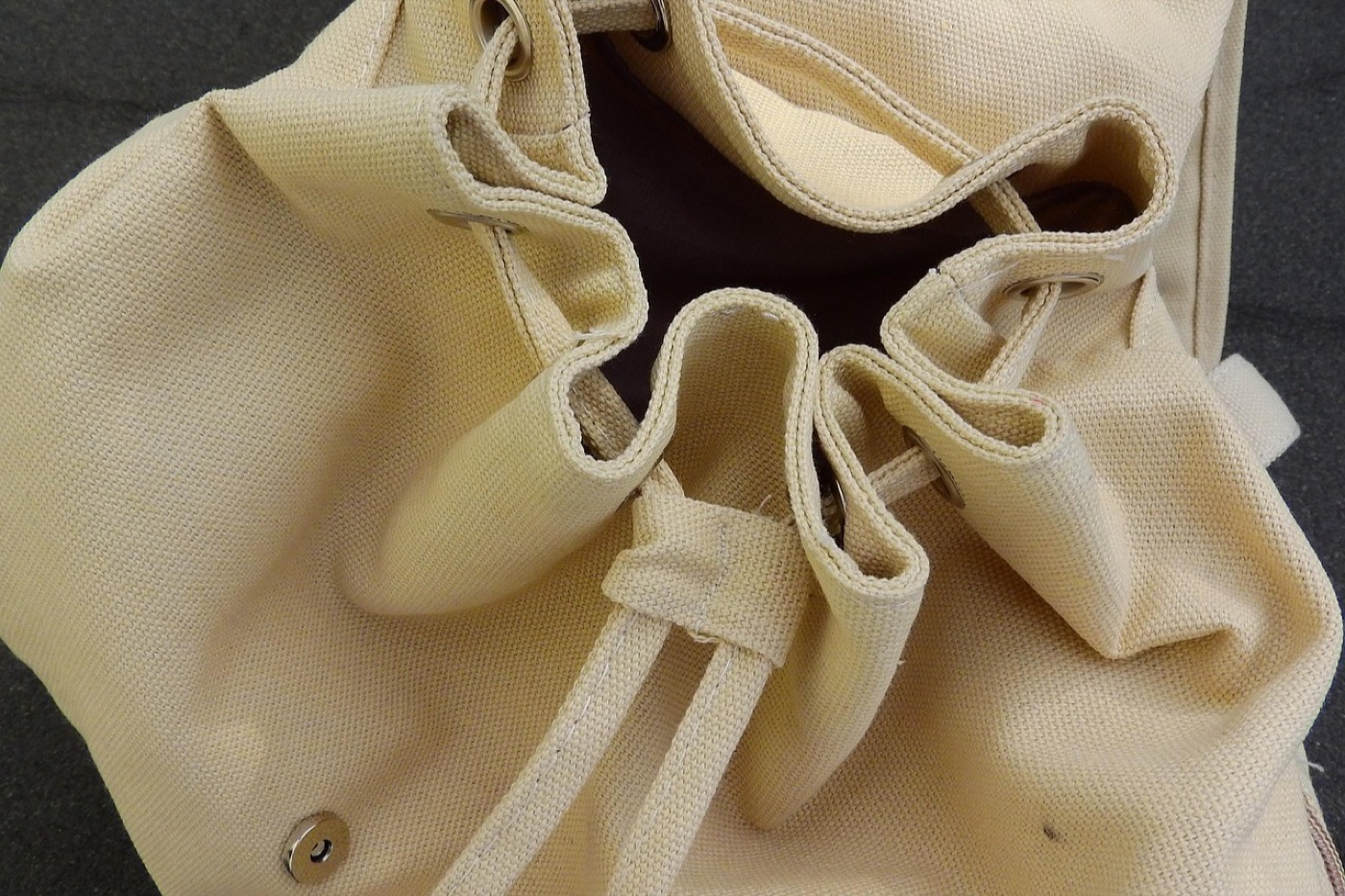
Drawstring-and-flap designs, the heritage rucksack layout, seal by gravity and drape, not by seal. Rain runs off the flap but wind-driven water finds the throat, so they are fair-weather bags with quick top access. Magnetic-flap closures, common on business-focused packs, open with a tug and close themselves, which is fast but offers no meaningful water or security rating, and magnets add weight without capacity. Both are taste choices more than performance ones; neither should be bought by someone whose commute includes weather.
What loading does to each closure
Packing habits are part of the closure, whether the catalog admits it or not. A U-zip panel wants weight against the back and cares little about order, because the whole interior is visible the moment the panel opens. A rolltop wants the opposite: heavy items low and near the back, soft ones around the throat, because the only path to the bottom runs through the entire bag. Load a rolltop carelessly and the twenty-second access becomes a minute of excavation on a sidewalk. Flaps forgive chaos least of all — the drape that seals them depends on a relaxed top, and an overstuffed throat props the flap open, a failure no flap design can engineer away. The closure you can live with is partly the one that matches how you already pack.
Matching closure to use
Cyclists and anyone who walks in real rain: rolltop, with welded seams if the budget reaches. Commuters carrying a laptop and documents in and out daily: the U-zip panel, specified with a #8 or larger coil. Travelers counting litres under a seat should read underseat travel packs, where a clamshell opening does most of the organizing work. And before committing to any pack, the harness fit matters more than the closure: fitting a pack to your torso explains why a perfect rolltop on the wrong spine length stays in the closet. Fabric and closure age as a system, as pack fabrics compared lays out in denier-by-denier terms.
FAQ
- Are rolltop backpacks actually waterproof?
- The rolltop closure itself is, once rolled three times and clipped. Whether the whole pack is depends on the seams: welded or taped seams make a pack genuinely waterproof, while sewn seams let water in through every stitch line regardless of the closure.
- Do rolltops waste space?
- The opposite. A rolltop expands for a bulky load and rolls down tight for a light one, so a 20-litre rolltop can behave like a 14-litre pack. A zippered panel has a fixed volume and sags when half empty.
- What zipper should a commuter pack have?
- A #8 or #10 coil zipper on the main opening, ideally with water-resistant tape over the teeth. The smaller #5 zippers common on fashion packs are the first component to fail under daily overload.
A pack is fitted by torso length, not height. How to measure it, where the hip…
How a laptop compartment is built decides whether a dropped backpack breaks…
Denier, DWR and empty weight are the three numbers that matter on a pack's…
What four major airlines actually allow under the seat, and how to match a…